
Maintenance Plans
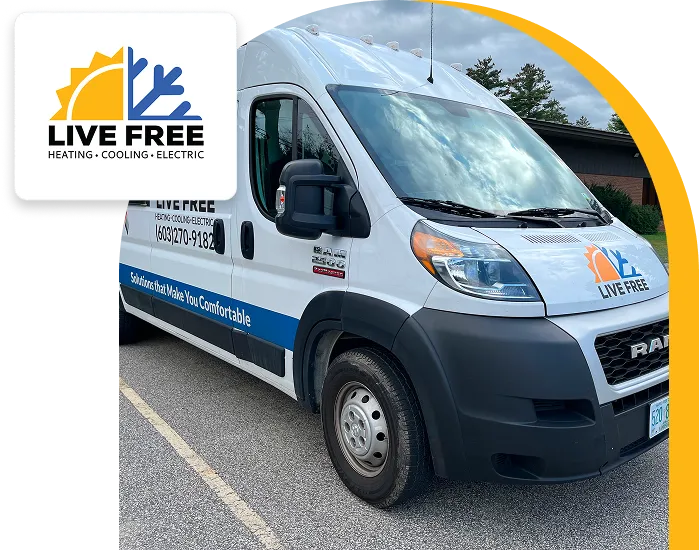
Maintain Your HVAC Systems with Routine Preventative Care
The best way to get the most out of your HVAC system in New Hampshire is to have it serviced twice a year, ideally before extreme weather arrives. From summer heat and heavy rain to snow, ice, strong winds, and power surges, New Hampshire’s climate can put added strain on your system. Regular HVAC maintenance helps keep it prepared to perform when you need it most.
Extend the life and optimize the efficiency of your heating, cooling, plumbing & electrical systems with our variety of trusted Comfort Club Memberships. Live Free Heating, Cooling, Electric & Plumbing offers a wide selection of coverage options to best fit you and your home’s needs.
Complete
$29.99/MO
Covers 1 HTR & AC
Preventative Services
- Complimentary Spring & Fall Preventative Maintenances
- Waived Diagnostic During Business Hours
- Annual Plumbing Safety Inspection
- Water Heater Flush
- Annual Water Quality Analysis
Priority Scheduling
- Normal Business Hours
- Next Available Diagnostic Time
Repair & Installation Discounts
- 10% Discount Off Repairs
- $500 Off Installation of a New Water Heater
- $750 Off Installation of a New HVAC System
Advanced Coverage
- $100 Off Indoor Air Quality Product Installations
- Whole-Home Air Purifier Inspection & Cleaning
- Whole-Home Humidifier Inspection & Cleaning
Standard
$21.99/MO
Covers 1 HTR & AC
Preventative Services
- Complimentary Spring & Fall Preventative Maintenances
- Waived Diagnostic During Business Hours
Priority Scheduling
- Normal Business Hours
- Next Available Diagnostic Time
Repair & Installation Discounts
- 10% Discount Off Repairs
- $500 Off Installation of a New Water Heater
- $500 Off Installation of a New HVAC System
Advanced Coverage
*Call for Details
- Whole-Home Air Purifier Inspection & Cleaning
- Whole-Home Humidifier Inspection & Cleaning
Whole Home
$64.99/MO
Covers All HVAC
Preventative Services
- Complimentary Spring & Fall Preventative Maintenances
- Waived Diagnostic During Business Hours
- Annual Plumbing Safety Inspection
- Water Heater Flush
- Annual Water Quality Analysis
Priority Scheduling
- Normal Business Hours
- Next Available Diagnostic Time
Repair & Installation Discounts
- 10% Discount Off Repairs
- $500 Off Installation of a New Water Heater
- $1,000 Off Installation of a New HVAC System
Advanced Coverage
- $150 Off Indoor Air Quality Product Installations
- Whole-Home Electrical Inspection
- Whole-Home Air Purifier Inspection & Cleaning
- Whole-Home Humidifier Inspection & Cleaning
Supporting Those Who Serve Our Community
Live Free is proud to offer Active & Retired Military, Police Officers, Firefighters, and Teachers one year of Standard Comfort Club Membership as our way of saying thank you for all you do.
Enjoy a full year of valuable member benefits, including:
- One Annual Maintenance Visit Included
- Priority Service
- $89 Dispatch Fee Waived During Normal Business Hours
- $100 Off After-Hours Dispatch Fees
- 10% Off Service Repairs
- $500 Off System Replacement