Ah, the joys of being a homeowner in winter… the cozy fireplace, cooking warm meals on the stove… heating bills… frozen pipes… oh my! To protect your home and stay cozy and comfortable this chilly season, it’s important to know a few things, including how to keep pipes from freezing.
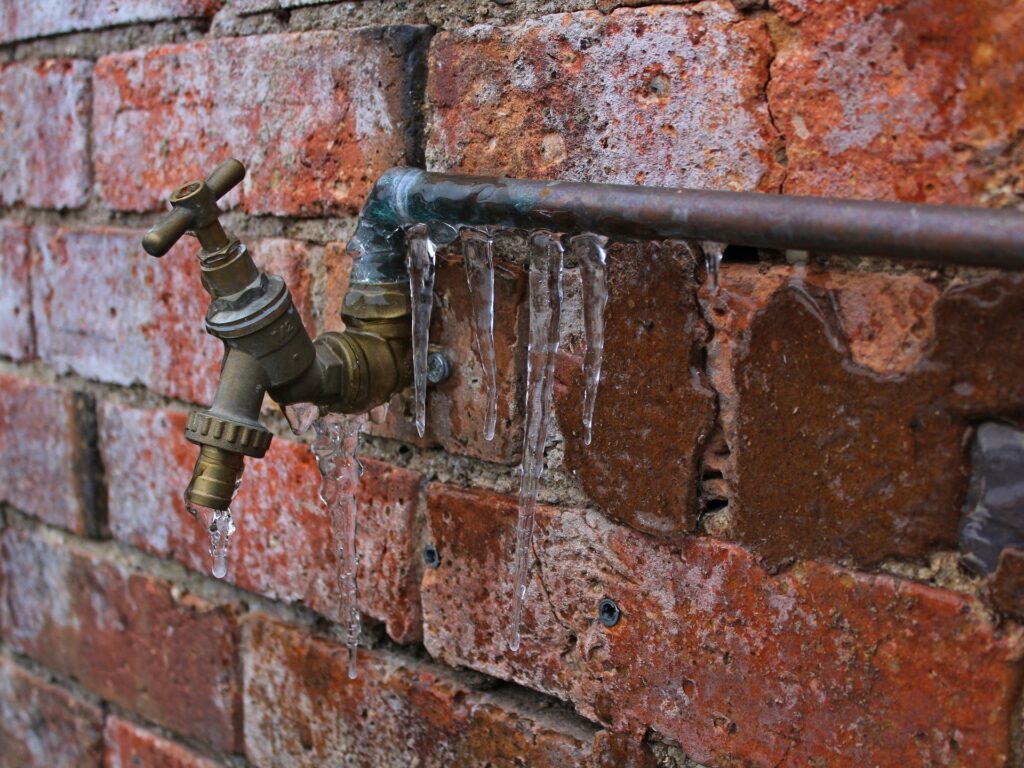
Water swells as it becomes frozen. As a result, this pushes heavily against the pipes that contain it, no matter the material of the pipes. Even the strongest pipes can break because of freezing temperatures.
Pipes that are most likely to freeze are usually located in basements, garages, attics, exterior walls, and outdoor water lines. You’ll want to keep an eye on these every winter and follow the necessary precautionary steps to prevent them from freezing.
Why You Should Avoid Freezing Pipes
The damage caused by just one frozen pipe can lead to repairs worth thousands of dollars. A frozen pipe can burst after around 6 hours of below-freezing temperature exposure. This leads to water damage throughout your home, which is one of the biggest fears homeowners have. Water can seriously compromise the strength and safety of your home.
Flooding or leaks of water in the home can cause damage to the structure, flooring, and drywall. It can wreak havoc on your electrical system, rendering it dangerous. The water can also erode brick and concrete, causing issues for walls and foundations. Mold grows rapidly after water infiltrates your home, causing health issues and compromised indoor air quality. All this and more are plenty of reasons to protect your pipes from freezing, leaking, and bursting.
At What Temperature do Pipes Freeze?
When outdoor temperatures fall under 32 degrees Fahrenheit, there is a risk of pipes freezing. This risk heightens when it hits 20 – at this point, it’s likely that a pipe will freeze.
Just because a cold day has come and gone without you noticing any issues does not mean your pipes didn’t freeze and crack. A frozen pipe can go unnoticed, especially if it connects to a faucet you don’t normally use. Therefore, prevention is important so that you know you’re less likely to experience issues with your pipes freezing.
How to Keep Pipes from Freezing
Wondering how to keep pipes from freezing this winter? There are many precautions you can take.
Don’t Turn Down the Heat
Maintain the same setting for the thermostat throughout the day and night during the coldest months. Although this might result in a bigger energy bill, it’s a small price to pay compared to frozen and burst pipes. If you’re away on vacation, do not turn the heat off. Keep it on and set it no less than 55 degrees Fahrenheit.
Turn On The Faucet
On the coldest days of the year, you may want to keep some water running through any exposed pipes to prevent them from freezing. Just a small trickle of cold water, enough to just drip from the connected faucet, is enough.
Open Some Doors…
Cabinets in the kitchen and bathroom can get cold, so it’s important to open them from time to time to get warm air in around the pipework. If you have children, be sure to stow away any potentially dangerous items if you plan on doing this.
…And Close Other Doors
One door that you might leave open in some situations in the winter that you’ll want to stay shut is the garage door. If you have water supply lines in the garage, you don’t want them exposed to the cold outdoor temperatures.
Add Insulation
Make sure that the areas of your home that are vulnerable to the cold (i.e. the attic, basement, crawl space, garage) are insulated well so they stay warmer. Look for other water supply pipes in your home, and make sure they are insulated, no matter if it’s hot or cold water going through them.
Find UL-listed products for pipe insulation. In a pinch, newspaper also provides great insulation for pipework. If you live in an area where it’s not usual for temperatures to fall below freezing, about a quarter inch of newspaper can make a dramatic difference.
Drain Water from Outdoor Supply Lines
To prep for winter, drain any water supply lines that go outdoors, such as pipes that lead to your swimming pool or sprinklers. Make sure not to use antifreeze, as it is hazardous. Drain and stow away your hoses and close the indoor hose bib supply valves. To let the water drain, open the outdoor hose bibs. Leave the outer valve open to free up the remaining water. Should that water expand, leaving the outside valve open prevents the pipe from breaking.
Change Pipe Location
If possible and feasible for you, think about moving pipes to areas of your home that are less vulnerable to the cold.
What To Do if Pipes Freeze
When your faucet has suddenly lowered in water pressure, there might be a frozen pipe in your house. If you think one your pipes has frozen, here’s how you can thaw it.
- Keep the faucet on, since the running water will aid in melting the ice.
- Find a space heater, hair dryer, heating pad, or hot water-soaked towel to apply heat to the frozen area. Be sure not to use actual fire or flames. If you can’t find the frozen area, call a plumber.
- When you notice the water pressure return to normal from the faucet, you can remove the heat source.
- Look for other frozen pipes in your home and repeat the process.
Bonus Tip: How to Prepare for Spring
Now you know how to keep pipes from freezing in the winter – but what do you do to stay safe when spring rolls around?
It can be challenging to notice when a pipe bursts close to a faucet you barely ever use. This upcoming spring season, be cautious to check for leaks before turning on your hose bib or outdoor faucet for the first time.
Stand close to the outdoor valve and turn on the faucet to look for leaks. A friend or family member should also wait near the inside valve. Listen for hissing or leaking noises coming from the wall. They might indicate a pipe leak. Know where your emergency water shut-off valve is in case the faucet’s shut-off valve breaks.
How to Prevent Pipes from Freezing with Expert Heating
At Live Free Heating Cooling Electric, we provide the expertise to maintain, install, and repair your heating appliances. By keeping your heating system efficient, you can help prevent your pipes from freezing without breaking the bank. Contact us today for a free estimate (terms apply) on your heating project!