A gas furnace can be a dependable and efficient way to keep your home warm during the colder months. However, like any mechanical system, it may encounter issues over time. Dealing with a natural gas furnace not working or refusing to light can be quite frustrating and uncomfortable. It’s the last thing you want on a chilly winter day.
But don’t worry, we’re here to help! In this comprehensive guide, we’ll take you through a step-by-step troubleshooting process to address common gas furnace problems. We want to make sure you’re comfortable and cozy in your home throughout the winter season!
Remember, if you come across more complex issues or don’t feel confident handling these tasks, it’s always best to get in touch with professionals like us at Live Free Heating Cooling Electric. We’re here to handle everything from installation to fixing and maintaining gas furnaces, ensuring your peace of mind and comfort all year round.
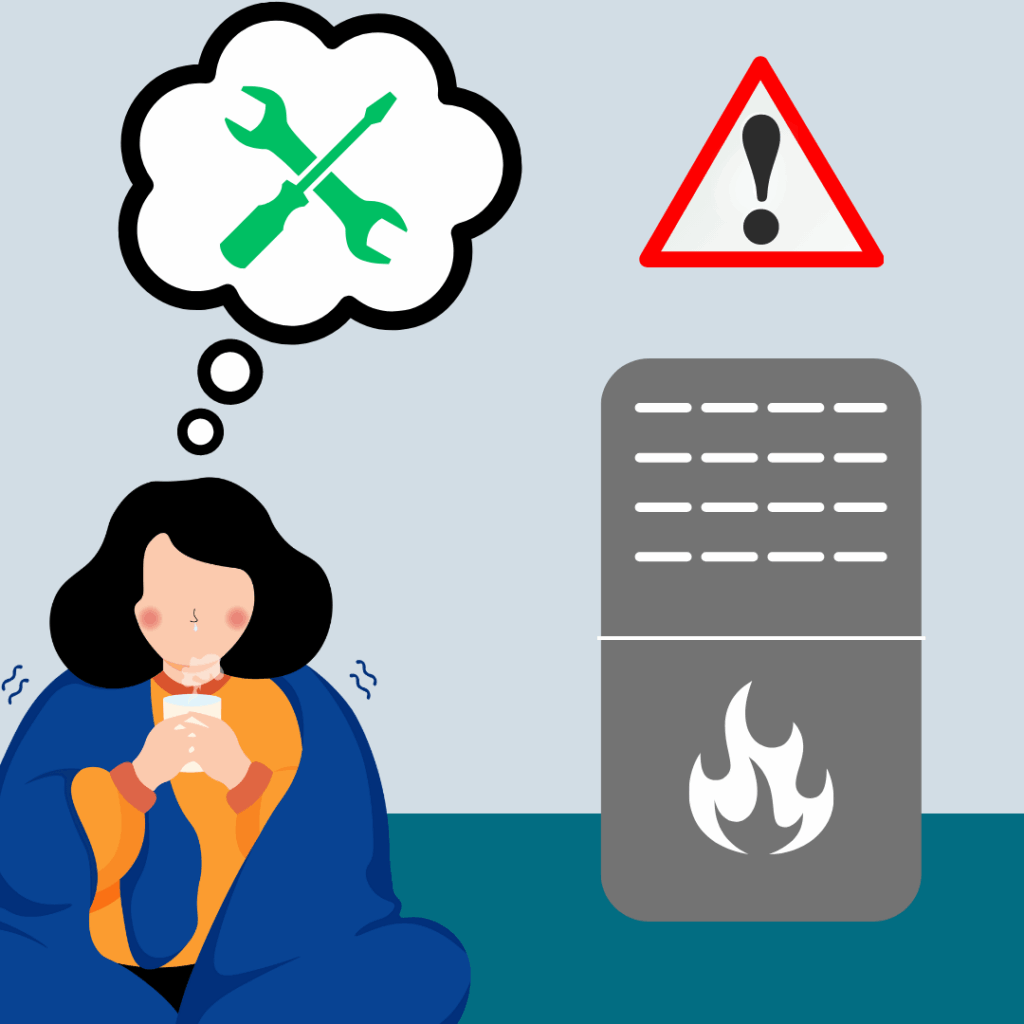
Gas Furnace Not Working? Here Are The Steps
Let’s go through these steps to troubleshoot and fix common gas furnace issues:
- First things first, check your thermostat settings to make sure they’re correct.
- Verify the power supply. Take a quick look at the circuit breaker or fuse box to ensure everything is in order.
- Confirm the gas supply by checking if the gas valve is on and carefully inspect for any gas leaks.
- Examine the pilot light.
- To keep things running smoothly, it’s a good idea to clean or replace the air filter.
- Give some attention to the flame sensor. A gentle cleaning will make sure it accurately detects the gas burners’ flame.
- Moving on, we’ll investigate the blower motor.
- Lastly, address ignition issues.
If you suspect the issue runs deeper or don’t know where to start, get in touch with us at Live Free- we’re happy to help!
Safety First
Safety first! Before we jump into troubleshooting, let’s make sure we prioritize your well-being. Gas furnaces involve combustible fuels and electrical parts, so it’s essential to proceed with caution. Always remember to turn off the gas supply and electrical power to the furnace before attempting any repairs.
If you ever feel uncertain or not entirely confident in handling the troubleshooting process, don’t hesitate to seek professional assistance.
1. Check the Thermostat
Start by ensuring the thermostat is set correctly. Sometimes, when you see your gas furnace not working, the issue might not be with the furnace itself but rather with the thermostat settings. Set the thermostat to a higher temperature than the current room temperature and see if the furnace responds.
You may also want to check to see if the thermostat needs new batteries. Electromechanical thermostats might need a little dusting on the inside to get working again. Check that there are no hot lamps or other devices interfering with the thermostat’s reading.
2. Inspect the Power Source
Make sure the gas furnace has a functioning power supply. Check the circuit breaker or fuse box to ensure that the furnace has power. If there’s a blown fuse or a tripped circuit, replace the fuse or reset the circuit breaker.
If you’re seeing anything out of the ordinary, or don’t feel comfortable delving into the electrical system, don’t hesitate to call a professional. We at Live Free not only help with your heating & cooling needs but your electrical needs as well!
3. Verify the Gas Supply
If the furnace isn’t receiving gas, it won’t be able to ignite and provide heat. Check the gas valve on the furnace and make sure it’s turned on. Also, examine the gas meter to ensure it’s functioning correctly and that there are no gas leaks.
4. Gas Furnace Not Lighting? Examine the Pilot Light
Older gas furnaces might have a pilot light that needs to be manually lit. You can do this yourself, however, it is important to be careful while you do so.
If the furnace won’t light, check the pilot light. Is the pilot light out? Turn off the gas, and wait 10-15 minutes. If you still smell gas after that, you may have a leak on your hands, so it’s important that you stop everything, evacuate, and call the fire department and gas company.
If all is clear after those 10-15 minutes, follow the manufacturer’s instructions to relight the pilot light carefully. You may see that the pilot light for the gas furnace won’t light. This means there might be an underlying issue that requires professional attention.
Do you have a flame going on your furnace? Make sure that it’s blue – that color indicates that it is working safely and optimally. If your furnace has a flame but it’s a color other than blue, reach out to a professional right away.
5. Clean or Replace the Air Filter
A clogged air filter can restrict airflow to the furnace, leading to various problems, including poor indoor air quality, overheating and shutdown. Turn off the furnace and locate the air filter. Clean or replace it, depending on the type of filter your furnace uses. It’s recommended to clean or change the air filter every 1-3 months.
Here’s some quick steps on how to replace your gas furnace filter. Remember to check your manufacturer instructions to see if anything differs.
- Turn off the furnace to ensure safety.
- Locate the filter compartment on your gas furnace.
- Check filter size and buy a matching replacement.
- Remove the old filter and clean the compartment.
- Insert the new filter in the correct airflow direction.
- Ensure a secure fit to prevent air bypass.
- Turn on the furnace and enjoy improved efficiency.
- Regularly maintain by replacing the filter every 1-3 months. If in doubt, seek professional help.
6. Check the Flame Sensor
The flame sensor is a safety feature that detects whether the gas burners are lit. If the sensor is dirty or faulty, it might not register the flame, causing the furnace to shut down. Locate the flame sensor, typically located near the burners, and gently clean it with a fine-grit sandpaper or abrasive pad. After cleaning, test the furnace to see if it ignites and stays on.
7. Investigate the Blower Motor
If the furnace starts but doesn’t distribute heat, the blower motor might be the culprit. Check the blower motor for any obstructions, such as debris or a worn-out belt. If the motor is making strange noises, emitting a burning smell, or not turning smoothly, it might need professional repair or replacement.
8. Inspect the Ignitor or Thermocouple
For modern gas furnaces with electronic ignition systems, a malfunctioning ignitor can cause ignition issues. Check the ignitor for signs of wear or damage and replace it if necessary. On the other hand, older furnaces might have a thermocouple that detects the pilot light’s presence. If the thermocouple is faulty, the gas supply will be shut off. Test the thermocouple and replace it if it’s not working correctly.
Get In Touch with an Expert
By following these troubleshooting steps, you can often identify and resolve common issues with your gas furnace. Remember to prioritize safety and contact a professional if you’re unsure or encounter complex problems.
For expert installation, repairs, and maintenance of gas furnaces, don’t hesitate to reach out to Live Free Heating Cooling Electric. Our team of experienced technicians is ready to ensure your home stays comfortable and warm all year round with a well-functioning gas furnace!