
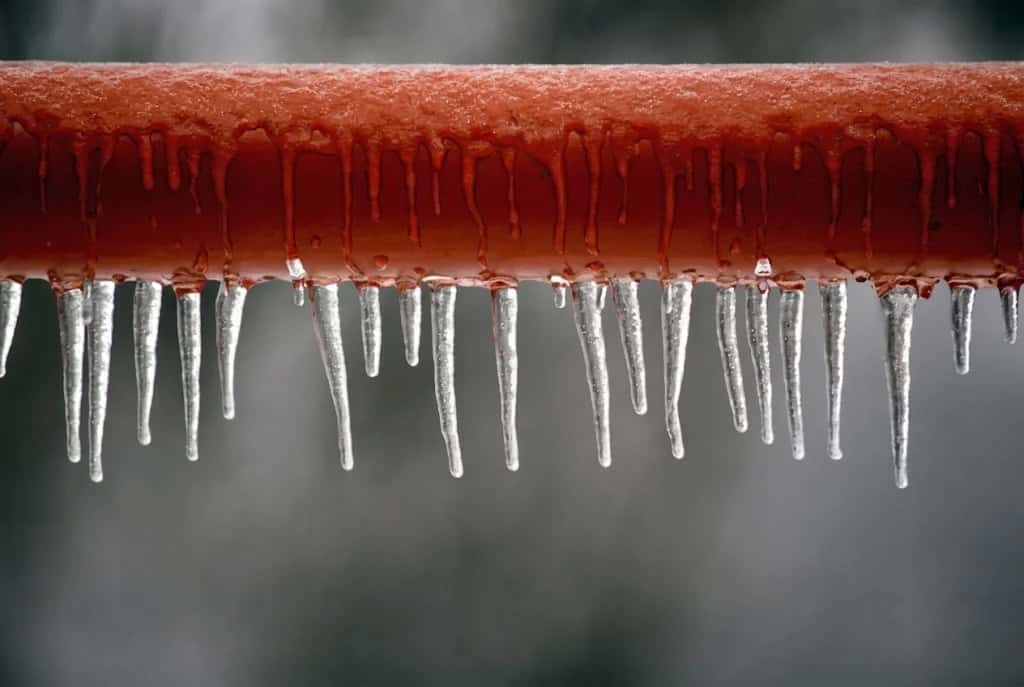
A light layer of frost on an outdoor heat pump or mini-split coil is normal in winter. The system clears this frost automatically during its regular defrost cycle. However, thick solid ice encasing the cabinet indicates an airflow or mechanical problem. If you find your heat pump frozen solid or the fan stops spinning, shut the unit off immediately. Then contact a licensed HVAC technician to protect the compressor from damage.
Lukewarm air from the vents on a cold morning often leads to the same discovery outside: an outdoor unit covered in ice. Modern cold climate heat pumps can pull heat from sub-zero air, even in New Hampshire winters. But thick ice blocks airflow and stops heating altogether.
Our technicians at Live Free Heating, Cooling, Electric & Plumbing handle HVAC services across Concord and surrounding communities throughout the heating season. Ice on the unit does not always mean the system has failed. The difference between light frost and heavy icing tells you whether to wait, check a few things yourself, or call for service.
Why Ice Builds Up on Outdoor Coils
Frost forms because of how a heat pump makes heat in winter. During normal heating operation, cold refrigerant moves through the outdoor coil. This coil extracts thermal energy directly from the outdoor air. The metal coil surface drops below the surrounding dew point. As a result, atmospheric moisture condenses on the metal and turns to frost.
Every standard heat pump uses an automatic defrost cycle to manage this frost. During defrost mode, the system reverses refrigerant flow for 5 to 15 minutes. This action warms the outdoor coil and melts the accumulated frost. Sensors on the coil monitor operating temperatures. Once the frost melts, the unit shifts back to heating. However, if a defrost control board, ambient temperature sensor, or reversing valve fails, the cycle may never start. Without this cycle, normal frost hardens into thick, dense ice.
A heat pump can also ice up in winter because of airflow restrictions or low refrigerant. A dirty indoor air filter chokes return airflow across the indoor coil. This disruption throws off refrigerant pressure across the entire closed loop. In addition, small refrigerant leaks lower the pressure inside the system. Low pressure makes the outdoor coil run colder than it was designed to, so frost builds faster than the defrost cycle can clear it.
Winter weather creates outside hazards as well. Snow melting off dirty roof gutters can drip water directly onto the fan grille. In sub-freezing temperatures, this water refreezes into thick ice sheets. Melted frost also needs to drain away through base pan openings. If slush blocks the drain holes, pooled water freezes across the lower coil and creeps upward. Ice can quickly trap the fan blades, stop airflow, and risk burning out the fan motor or compressor.
How to Defrost a Heat Pump Safely
Clearing ice from a heat pump after a winter storm requires care to protect delicate aluminum coil fins and copper tubing. If you notice minor frost turning to ice, learning how to defrost a heat pump safely can protect your system before you call for service. For both central ducted systems and ductless mini-split units, use these practical steps:
- Clear snow and winter debris: Keep at least 2 feet of open space around the outdoor cabinet and keep the top clear. Brush or gently shovel away snowdrifts, and clear wet leaves from the intake louvers.
- Inspect and replace the indoor air filter: A fresh air filter restores full airflow through your ductwork or wall unit. Good airflow balances refrigerant pressure and helps warm refrigerant reach the outdoor coil during defrost mode.
- Run emergency heat with care: You can set your central thermostat to emergency heat to warm your home while the outdoor unit rests. Keep in mind that emergency heat relies on electric resistance heating strips. This backup heat uses much more electricity than the heat pump itself, so use it only as long as you need it. Furthermore, many ductless mini-splits lack built-in auxiliary heat strips, so emergency heat is not available on every system.
- Never chip ice with sharp tools: Never strike ice with screwdrivers, knives, scrapers, or hammers. Even a light blow can puncture copper refrigerant lines or bend aluminum fins, resulting in major repairs.
- Clear base pan drain holes: Check the drainage ports along the bottom metal pan. Clear away slush and soil so melted water escapes freely rather than refreezing into a solid sheet.
If your heat pump stays frozen under solid ice, shut off power at the outdoor disconnect switch or the main breaker panel. Running a system with locked fan blades puts intense electrical strain on the compressor. When ice will not melt, you need a trained technician to check defrost controls, measure refrigerant charge, and inspect electrical relays.
Winter Installation and Drainage Factors
Proper outdoor unit installation plays a crucial role in preventing winter freeze-ups. When an outdoor unit or a mini split is frozen outside in winter, the cause is often placement rather than a broken part. In towns like Epsom and Chichester, heavy snow accumulation drifts against low ground pads. Deep snow buries the lower intake vents and blocks air circulation. Mounting the outdoor unit on a snow stand or wall brackets that hold it above typical snow depth helps keep coils clear.
Overhead roof drainage is another important factor in winter performance. In neighborhoods throughout Loudon, melting snow from steep roofs often drips right onto the condenser. Freezing rain or gutter overflow strikes the top grille and creates thick icicles. These icicles can lock the fan blades in place. Placing the condenser away from roof valleys or installing an overhead snow baffle helps keep dripping water off the fan assembly.
Routine heating maintenance also helps keep drainage clear before winter arrives. Water from routine defrosting must drain away quickly. If base pan channels clog, standing water freezes against the lower metal coils. Over several freezing nights, that ice can grow into a solid block. A seasonal inspection checks that pan drain paths are clear and that any base pan heaters work properly.
Frequently Asked Questions
Is It Normal for a Heat Pump to Have Ice or Frost on It in Winter?
A light layer of frost across an outdoor coil is completely normal during cold weather. The system pulls heat from cold, moist outdoor air, which naturally creates surface frost. The unit initiates an automatic defrost cycle to clear this frost. Thick, solid sheets of ice covering the cabinet or fan guard point to an airflow restriction or mechanical failure.
Can I Pour Boiling Water on a Frozen Heat Pump to Melt the Ice?
Never pour boiling water onto an iced heat pump. The extreme temperature difference can crack copper refrigerant lines and warp aluminum coils. Boiling water cools rapidly in freezing air and freezes again inside the base pan, worsening the ice buildup. Instead, set the thermostat to emergency heat, let the ice melt, and call a technician if it does not clear.
How Long Does a Heat Pump Defrost Cycle Usually Last?
A standard heat pump defrost cycle lasts between 5 and 15 minutes. The exact runtime depends on outdoor air temperature, moisture levels, and the thickness of the frost layer. During this cycle, the reversing valve switches the unit into cooling mode to heat the outdoor coil. On many systems, the indoor fan pauses or backup heat turns on so your vents do not blow cold air into the living space.
When Should I Schedule Heat Pump Repair in Concord, NH?
Schedule heat pump repair in Concord, NH when thick ice keeps your heat pump from heating your home or the fan motor stops turning. Running an iced-up system can overheat internal motor windings and damage the compressor. A licensed technician can pinpoint whether a failed defrost sensor, damaged control board, or refrigerant leak caused the problem.
Is Your Heat Pump Frozen and Leaving Your Home in the Cold?
Do not let winter frost turn into a major breakdown when your outdoor unit is encased in ice. Our licensed, experienced professionals dispatch from Concord, NH to restore your heat. We have served the Concord area since 2014, and we provide clear upfront pricing and military discounts.
If ice keeps coming back or will not clear, contact our team today. If your ductless system runs without producing warmth, review our guide on mini split heat mode problems to verify your indoor settings.