
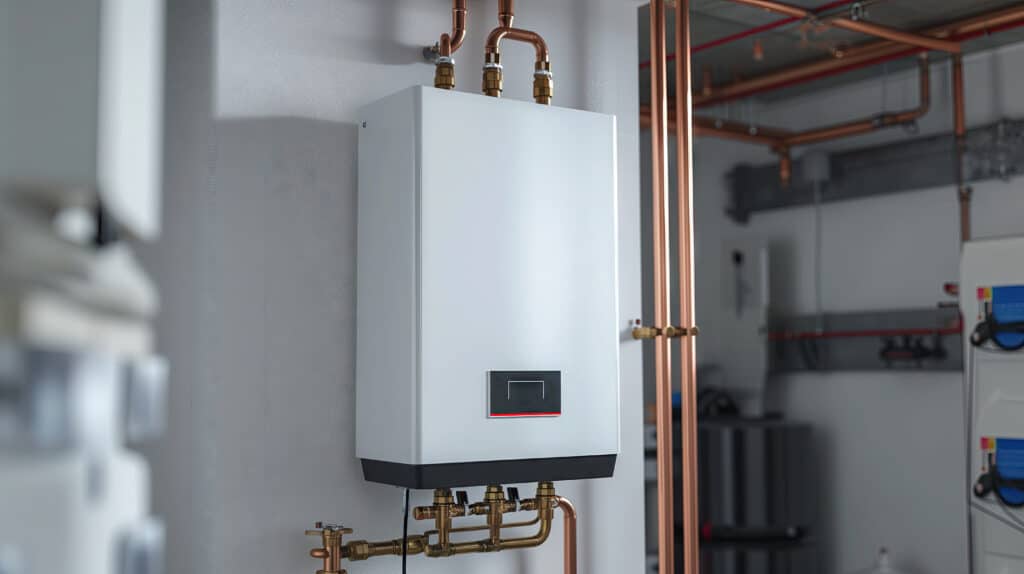
A leaking water heater usually points to loose plumbing connections, a failing temperature and pressure relief valve, or internal tank corrosion. Shut off the cold water supply valve, turn off the breaker or gas control, and schedule a professional inspection.
Finding a puddle under a hot water heater is stressful, and where the water comes from decides what happens next. Water pooling around the base of your equipment can damage nearby flooring, drywall, and framing if it remains unaddressed. Knowing how to identify the source of the moisture quickly helps you protect your home and determine if a straightforward plumbing adjustment or a complete unit replacement is necessary. When unexpected plumbing emergencies strike, Live Free Heating, Cooling, Electric & Plumbing provides thorough diagnostics and reliable solutions to restore your household comfort.
Where Water Heater Leaks Come From
Water heaters endure constant thermal expansion, system pressure, and corrosive mineral exposure throughout their service life. Finding where the leak starts is the first step in choosing the right repair. Leaks near the top of the unit often stem from threaded pipe nipples, loose flex lines, or failing shutoff valves on the incoming cold supply or outgoing hot line. In many situations, tightening a connection or replacing worn dielectric unions resolves top-side moisture without replacing the appliance.
Leaks occurring further down the appliance present different mechanical challenges. The temperature and pressure relief valve, typically mounted on the side or top with an attached discharge pipe running downward, opens automatically when internal pressure or water temperature exceeds safe operational thresholds. If this valve drips continuously, it may signify excessive municipal water pressure, a failing expansion tank, or sediment buildup within the valve seat itself. Similarly, a leaking drain valve near the tank base can release moisture if mineral particles prevent the internal washer from sealing shut.
The most severe scenario involves a water heater tank leaking because the tank itself has failed. If you discover your water heater leaking from the bottom or from beneath the outer jacket, internal corrosion has likely eaten through the steel storage vessel. Glass linings inside conventional tanks eventually develop micro-fractures, and once the sacrificial anode rod fully depletes, water attacks the exposed steel shell. Our team provides comprehensive water heater services to evaluate whether a component repair or a full system replacement is the right mechanical choice for your setup.
What to Do When Your Water Heater Leaks
When you notice your water heater leaking, taking immediate protective action minimizes property damage while preparing your system for professional diagnosis. If you spot standing water, avoid touching electrical components or wading through deep puddles until the utility sources are completely secure. Following these steps in order helps keep your family safe and protects your basement or mechanical room from extensive water damage. Here are the steps:
- Shut off the cold water supply: Locate the dedicated shutoff gate valve or quarter-turn ball valve situated on the cold water inlet pipe above the unit and turn it clockwise until water flow ceases completely.
- Disconnect the energy source: For electric models, locate your main electrical panel and switch the corresponding double-pole circuit breaker to the off position; for gas units, turn the dial on the water heater’s gas control valve to the off setting.
- Relieve system pressure: Open a hot water faucet in the house to relieve pressure in the tank and lines.
- Inspect fittings and connection points: Carefully wipe down the tank casing with dry rags to identify whether moisture originates from pipe joints, the relief valve pipe, or the lower steel seam.
- Plan for replacement if the tank itself leaks: When tank corrosion compromises structural integrity, upgrading to a modern tankless water heater provides on-demand hot water, compact wall-mounted dimensions, and extended operational longevity without the risk of a storage tank rupture.
Water Quality and Moisture Protection
Moisture management around your utility area is another essential consideration that protects your indoor air quality and structural components. Even a minor drip can foster hidden mold growth, rot subflooring, and damage surrounding building materials if moisture seeps under finished walls. A drain pan under the tank catches small leaks, and an automatic water shutoff valve can close the supply line when it senses water. In basements prone to flooding, a sump pump adds another layer of protection.
Homeowners in Bedford, Goffstown, and Manchester rely on a mix of municipal water and private wells, and both can affect how long a water heater lasts. If you suspect a failing component and need water heater repair in Concord, NH, our licensed professionals check the full installation for code compliance, thermal expansion control, and proper venting.
Frequently Asked Questions
Can a Leaking Water Heater Be Repaired, or Does It Have to Be Replaced?
Repairing a leaking water heater depends on where the leak originates. Leaks from external pipe fittings, the drain valve, or the temperature and pressure relief valve can usually be resolved by replacing those individual parts. If the internal storage tank itself has corroded through the bottom or outer jacket, the appliance cannot be patched safely and requires complete replacement.
Should I Turn Off My Water Heater If It Is Leaking?
Yes, you should immediately turn off both the water supply and the power source to your water heater. Shutting off the incoming cold water valve prevents continuous water flow from flooding your property, while shutting off the electrical breaker or gas control valve protects the heating elements and prevents dangerous overheating.
Why Is Water Leaking from the Temperature and Pressure Relief Valve?
The temperature and pressure relief valve discharges water when internal pressure or water temperature rises beyond normal operating thresholds. This discharge can indicate excessive municipal water pressure, a depleted thermal expansion tank, or mineral buildup preventing the valve seat from closing tightly. A licensed plumber should inspect the valve and system pressure to determine whether the valve or pressure control system requires replacement.
What Happens If You Leave a Water Heater Leaking?
Leaving a leak unaddressed can lead to extensive structural water damage, ruined finished flooring, and hazardous mold growth in your mechanical room or basement. Unchecked leaks can also cause electrical component short-circuits or trigger a sudden tank rupture that releases substantial amounts of water into your home.
Is Your Water Heater Leaking in Your Home?
Do not let a small leak turn into major water damage. The licensed, experienced professionals at Live Free Heating, Cooling, Electric & Plumbing dispatch directly from Concord, NH, providing upfront pricing and military discounts for dependable plumbing service.
If your equipment is not leaking but fails to produce warm water, explore our guide on what to check when your hot water heater stops working.
Contact us today to speak with our courteous team and schedule prompt service.